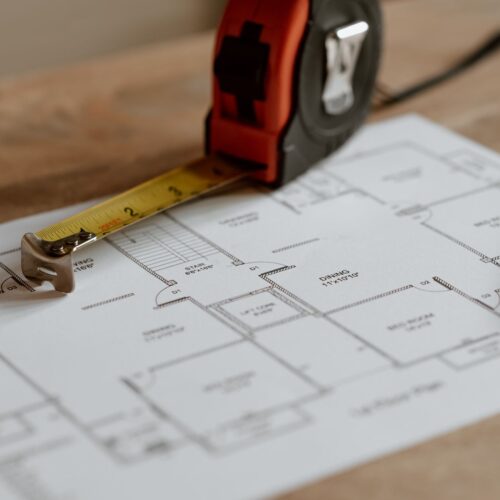
In January, the equipment yard in a cold-climate state sits under a crust of frozen mud, and the only lights on are in the estimating office. A pile of bid documents is open on one desk, and last year’s financial statements are waiting on another. For anyone who works with surety bonds, that quiet stretch is often the busiest paperwork period of the year.
Is the Slow Season Really the Time to Prepare for Bonded Bids?
On the jobsite, yes, winter is slow. On the bonding side, it is the opposite. Public owners and many private developers release projects in late winter and early spring so work can start when the ground thaws, and that compresses a lot of bid deadlines into a few weeks. Each bonded bid usually needs a bid bond, and the surety issuing it has to be comfortable that you can take the job and furnish performance and payment bonds if you win.
That comfort rests heavily on paper. Year-end financial statements, whether compiled, reviewed or audited, usually land with the surety in the first quarter, and underwriters use them to reset your single-job and aggregate limits. A contractor who gets statements late, or who hasn’t updated the work-in-progress schedule, may find the available capacity doesn’t match the size of the jobs on the bid list. It is far easier to learn that in February than the day before a bid opens.
A few tasks belong on the winter calendar: finish the year-end close early, update the WIP schedule with honest percent-complete figures, confirm your capacity with your surety contact, and line up bid bond requests ahead of deadlines instead of the same morning.
What Happens to Your Bonds When Summer Weather and Schedule Pressure Hit?
Once the ground is workable, the bonds you secured earlier start to matter in a different way. Summer and early autumn are when a project’s obligations are tested. A wet spring pushes site work back, a heat wave or a string of storms eats into the calendar, and suddenly a project that was on schedule in May is trying to make up weeks in August. Compressing a schedule usually means overtime, extra crews, expedited materials and more subcontractors working on top of each other. Costs rise before the pay applications catch up.
That is where cash-flow strain shows up. Owners pay on approved applications, often minus retainage, while payroll, suppliers and equipment costs arrive on a weekly rhythm. When a prime contractor is squeezed, subcontractors and suppliers often feel it first as slower payment. This is the pressure point for payment bonds. Suppliers and subs who aren’t paid on time may start looking at their claim rights, and those rights come with notice windows that don’t pause for a busy season. Subs should know their deadlines and keep delivery tickets and signed change documents in order.
Performance bonds face their own stress test. If delays are weather-related, document them as they happen: daily logs, photos, written notices to the owner, and time-extension requests made on the contract’s schedule. If a job is starting to slip beyond what the weather explains, the best move is usually to talk to the surety early. A surety that hears about trouble in July has options. One that hears in November often has far fewer.
How Should You Use the Autumn Wind-Down to Set Up Next Year’s Capacity?
As daylight shortens and the last paving or exterior work races the first hard frost, the pace finally eases. This is the best time to sit down with your WIP schedule and look at it plainly. Which jobs are making money, which are fading, and which are running behind? Underwriters will ask these questions in the new year anyway, and an owner or controller who has already worked through the answers can speak with confidence.
Late fall is also a good moment to deal with the loose ends of finished work. Request completion documentation, chase final payments and retainage, and make sure closed-out projects are actually released from their bond obligations. A bond that remains open on paper can keep counting against your capacity longer than necessary.
Then look ahead. If you plan to pursue larger work or enter a new market, now is the time to talk with your surety or broker about what that would take, from the strength of your balance sheet to the bank line behind it. It also helps to review which bonds required for contract awards you expect to face in the next bidding window, so there are no surprises when the winter rush begins again. Owners and project managers can use the same lull to review their bond requirements and make sure the specifications match what they actually need.
The decision in front of you is simple to state and harder to follow through on: spend these quiet weeks tightening your financials, schedules and surety conversations, or let the next cycle catch you doing that work in the middle of a bid rush. The calendar will keep turning either way. What it brings you depends on what you set up before the first thaw.